
ChatGPT for Business: 15 Practical Uses That Save Hours Every Week
15 practical ChatGPT uses for small businesses with ready-to-use prompt templates, quality verification checklists, and critical privacy guidelines under Israeli law.

Using ChatGPT for business is no longer a question of “if”, but “exactly what for”. Most business owners we meet opened an account, asked two generic questions, and felt disappointed when the output sounded bland. The problem is rarely the AI model itself — it is the vagueness of the prompt. In this guide, we compiled 15 practical business use cases across marketing, sales, customer service, operations, and finance. Each comes with a battle-tested prompt template and a verification checklist before using the output. Finally, we cover critical data privacy rules where most businesses unknowingly make dangerous missteps.
Before You Begin: What ChatGPT Does Well for Business, and What It Struggles With
ChatGPT excels at three core tasks: drafting text, synthesizing data, and structuring information. Feed it verified raw inputs and clear objectives, and you get high-quality drafts in seconds. Conversely, it struggles with unprovided facts — frequently hallucinating numbers, legal statutes, or product specs with absolute confidence. Our rule is simple: AI prepares the draft, humans approve the release. Three components turn a weak prompt into a powerful business asset:
- Context. Who you are, who the customer is, and the exact brand voice. “I run an auto shop in Holon catering to families” vastly outperforms “Write me a post”.
- Raw Material. Paste the exact facts, outlines, or bullet points rather than having the AI guess.
- Format. Length, structure, and constraints. E.g., “Three concise bullet points, no exclamation marks”.

Every prompt template below follows this structure. That is the difference between an AI toy and an enterprise tool that saves hours. Never settle for the first generated response: request two variations and refine iteratively in the chat thread.
What We See in the Field
When onboarding clients to AI workflows, the first thing we audit is not their software stack, but their core documentation: whether they have a single source of truth detailing services, pricing, and brand voice. Our standard deployment sequence: a unified knowledge document, three recurring prompt workflows, validation on real drafts, and only then expanding to advanced tooling. The most common mistake we see: a one-line prompt (“Write me a social post”) followed by the premature conclusion that AI is too generic. What we stopped doing: publishing initial outputs unedited. Every draft passes human editorial review — AI executes, you decide.
Marketing & Content: Use Cases 1–3
This is where ChatGPT immediately delivers ROI by streamlining weekly content routines.
1. Monthly Social Media Calendars. Provide your content pillars and a high-performing past post as a reference. Prompt: “Here is a past post written in my voice [paste]. Draft 8 social media posts covering the following topics in the exact same tone, under 60 words each.” Verify facts and pricing before scheduling. For overarching multi-channel strategy, see our guide on social media marketing.
2. Blog Article Outlines. “I am drafting an article on [topic] for prospective clients. Propose 6 subheadings addressing real questions buyers frequently ask.” Write or heavily edit the body copy yourself, as generic AI articles fail to establish search authority.
3. Google Ads Copywriting. “Draft 15 headlines under 30 characters and 4 descriptions under 90 characters for an ad campaign targeting [service] in [city]. Incorporate the keyword [keyword].” Review character limits and advertising policy compliance carefully.
Sales: Use Cases 4–6
In sales, AI should not communicate directly with buyers unvetted — it should prepare your team for closing conversations.
4. Objection Handling Scripts. “Prospects frequently object that 'Pricing is too high'. Provide 5 concise, non-defensive responses that articulate unique value without offering discounts.” Select the two responses that align best with your positioning.
5. Proposal Follow-Up Emails. “Write a 4-sentence email to a prospect who received a proposal a week ago without replying. Maintain a warm, pressure-free tone with a single closing question.”
6. Sales Call Summaries. Paste raw meeting notes (stripping private identifiers) and prompt: “Summarize into bullet points: Core Needs, Budget Range, Objections Raised, and Agreed Next Steps.”
Customer Service: Use Cases 7–9
In customer support, voice and empathy outweigh raw speed. Provide a sample response demonstrating your preferred tone.
7. Comprehensive FAQ Knowledge Base. “Here are customer questions collected over the last quarter [paste]. Write professional, warm answers under 50 words each.” This forms the training data for automated support bots.
8. Responding to Negative Google Reviews. “Here is a customer review [paste without names]. Write a 3-sentence response: thank them, address the operational point objectively, and invite them to continue over the phone.” Never argue publicly online.
9. Multi-Language Translations. Rapid translation of service updates, menus, and onboarding guides into English, Russian, or Arabic. Always have a native speaker review before print or public deployment.
Operations, Finance & Administration: Use Cases 10–15
Operations
10. Standard Operating Procedures (SOPs). Dictate or record audio of a task workflow and prompt: “Convert this transcript into a numbered step-by-step SOP with critical warnings and quality checks.”
11. Lead Source Analytics. Upload anonymized spreadsheets (lead source, date, pipeline status, deal size) and prompt: “Which lead channel yields the highest deal closing rate? Present a concise comparison table.” Spot-check calculations manually.
12. Weekly Task Prioritization. “Here are 14 pending operational tasks [paste]. Rank by revenue impact and urgency, and flag items suitable for delegation or postponement.”
Finance & Administration
13. Polite Invoice Payment Reminders. “Write a professional reminder for an invoice overdue by 14 days. 3 sentences, respectful tone, including payment link placeholder.”
14. Vendor Contract Comprehension. “Explain the practical business implications of these contract clauses in plain language, highlighting potential liabilities or ambiguity.” Remember: AI assists comprehension but never replaces legal counsel.
15. CPA & Year-End Meeting Prep. “I operate a [business type]. List 10 critical strategic questions to ask my accountant ahead of year-end tax planning.”
The Golden Rule: Never Paste Customer Data into AI Chats
Pasting customer names, phone numbers, addresses, or transactional records into AI platforms constitutes third-party data transfer. Under Israel's Privacy Protection Law (Amendment 13), businesses bear strict legal liability for customer data security and database compliance. Refer to official guidance from the Privacy Protection Authority; always seek professional legal advice. Follow four foundational data safety rules:
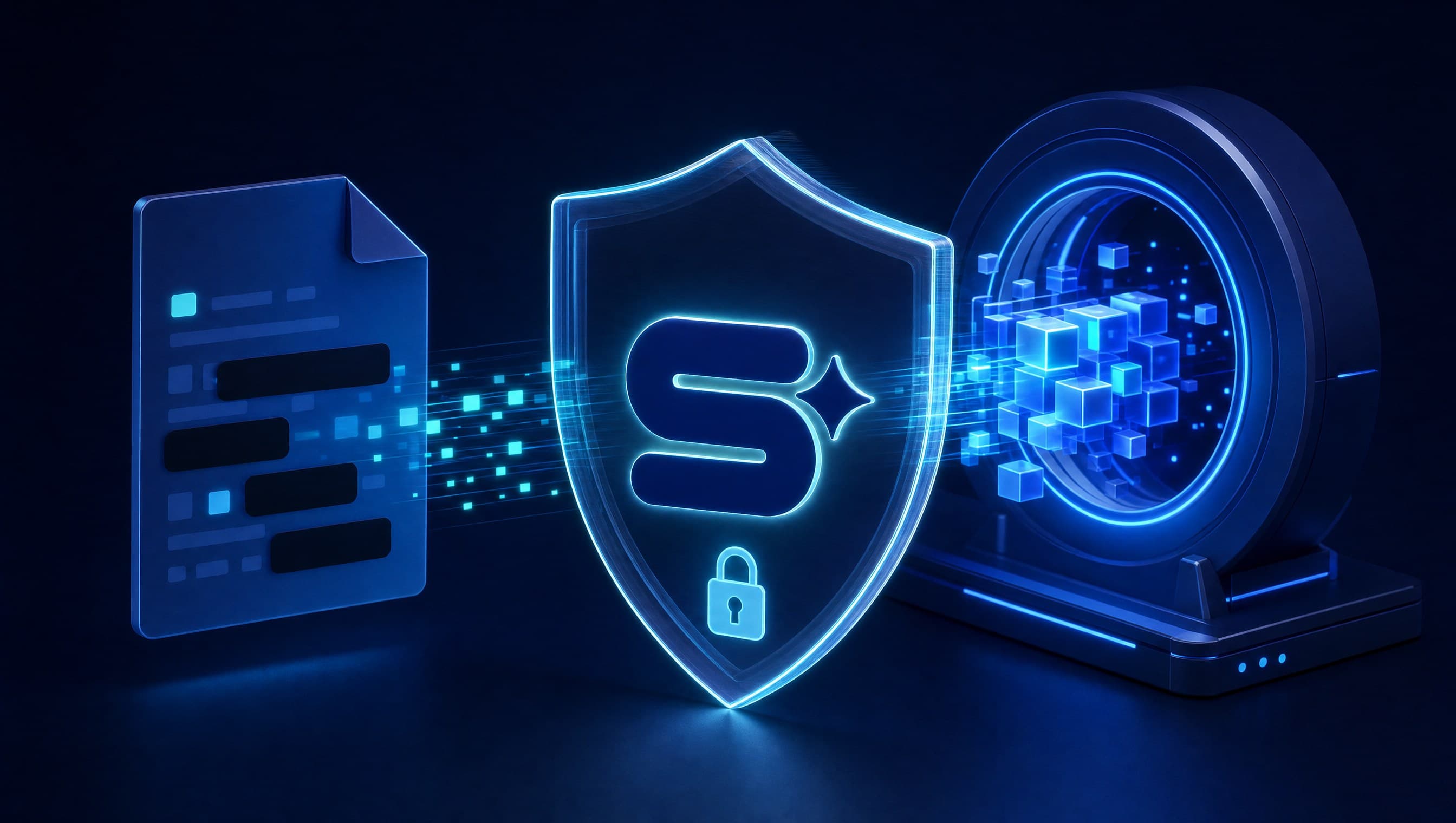
- Strict Anonymization. Replace identifiers with “Client A” or “Tech Vendor B”. Operational prompts almost never require real names.
- Configure Privacy Controls. In ChatGPT, navigate to Settings → Data Controls → disable “Improve the model for everyone”. Verify equivalent data retention settings across all team tools.
- Never Upload Sensitive Files. Customer contracts, medical records, financial statements, and payment information must stay off public AI servers.
- Internal AI Policy. Establish a clear, written 1-page AI usage guideline for all employees rather than leaving security to individual judgment.
ChatGPT, Claude, or Gemini? How We Choose in Practice
We utilize all three platforms based on their specialized strengths. Currently, ChatGPT serves as our versatile workhorse for quick drafting, ideation, and ecosystem integrations. Claude is our benchmark for long-form document synthesis, nuanced copywriting, and deep reasoning. Gemini integrates seamlessly with Google Workspace datasets. Start with one premium tool, master prompt engineering, and expand strategically. For a broader overview, read our review of top AI tools for 2026.
How Simple Web Integrates AI for Business Growth
Simple Web is an AI-driven marketing agency based in Bnei Brak, certified Meta Partners, and Google Ads specialists serving 200+ businesses with 28 5-star Google reviews (learn more on our about page). We integrate ChatGPT, Claude, Gemini, and proprietary AI workflows into daily client execution. Through our AI marketing services, intelligent models manage complex data analytics, campaign optimization, and creative iterations — while our senior team steers overarching strategy. For autonomous operations, explore our guide on AI agents for business.
Summary
ChatGPT delivers immense business value when guided by structured prompts: clear Context, verified Raw Material, and exact Format constraints. The 15 use cases outlined here save measurable hours every week when paired with factual verification and strict data privacy. Start with your top 3 operational bottlenecks and build a reusable team prompt library. Ready to supercharge your marketing campaigns with AI? Contact us for a free strategic consultation.
Tags:
Recent posts