
AI Landing Pages: What Works, What Breaks, and How We Build Them for Real Conversions
How we integrate generative AI tools like ChatGPT, Claude, and Gemini into landing page production, where pure AI fails (RTL, analytics, privacy laws), and a 10-point pre-launch checklist.
Building an AI landing page sounds like the ultimate shortcut: enter a brief business description, and generate a complete page in minutes. In reality, rapid AI page generation is fully viable, and our agency executes it weekly. However, in our experience, the vast majority of 100% automated AI pages look superficially attractive but completely fail to convert — and in Hebrew (RTL), their technical layouts frequently break. In this guide, we break down what AI tools genuinely excel at, where automated generation collapses, and what critical responsibilities must remain in human hands. Finally, we share our production workflow and the exact 10-point checklist we run before launching any campaign page.
AI Landing Pages: What Generative Tools Actually Do Well
Beginning with the strengths: in every landing page Simple Web builds today, AI models handle significant heavy lifting with exceptional speed:
- Audience Research & Objection Mapping: Feeding competitor reviews, service catalogs, and market briefs into ChatGPT, Claude, or Gemini yields a structured map of real customer friction points in minutes — saving hours of manual sentiment analysis.
- Headline Variations for A/B Testing: Instead of writing a single headline, AI rapidly generates 20 targeted variations, allowing our team to select the top two distinct value propositions for live split-testing.
- Structured Section Drafting: Rapid drafting for “Who This Is For” checklists, FAQs, and service timeline breakdowns. The output provides a robust foundation, provided human editors refine the copy.
- Custom UI Graphics & Product Mockups: Generating contextual icons, 3D abstract backdrops, and product renders. Conversely, generating fictional AI human customer faces erodes user trust and should be strictly avoided.
- HTML/CSS Code Generation: AI code assistants generate clean responsive layouts quickly, ideal for prototyping proof-of-concept landing funnels.
A fundamental law governs automated quality: output caliber mirrors brief depth. Generating a page from a two-sentence prompt produces generic marketing fluff. Conversely, feeding real customer testimonials, exact price sheets, sales objections, and proven ad angles produces drafts that are 80% publication-ready. We review our agency software stack in our guide on top AI tools for 2026.
Where 100% AI-Generated Landing Pages Fail
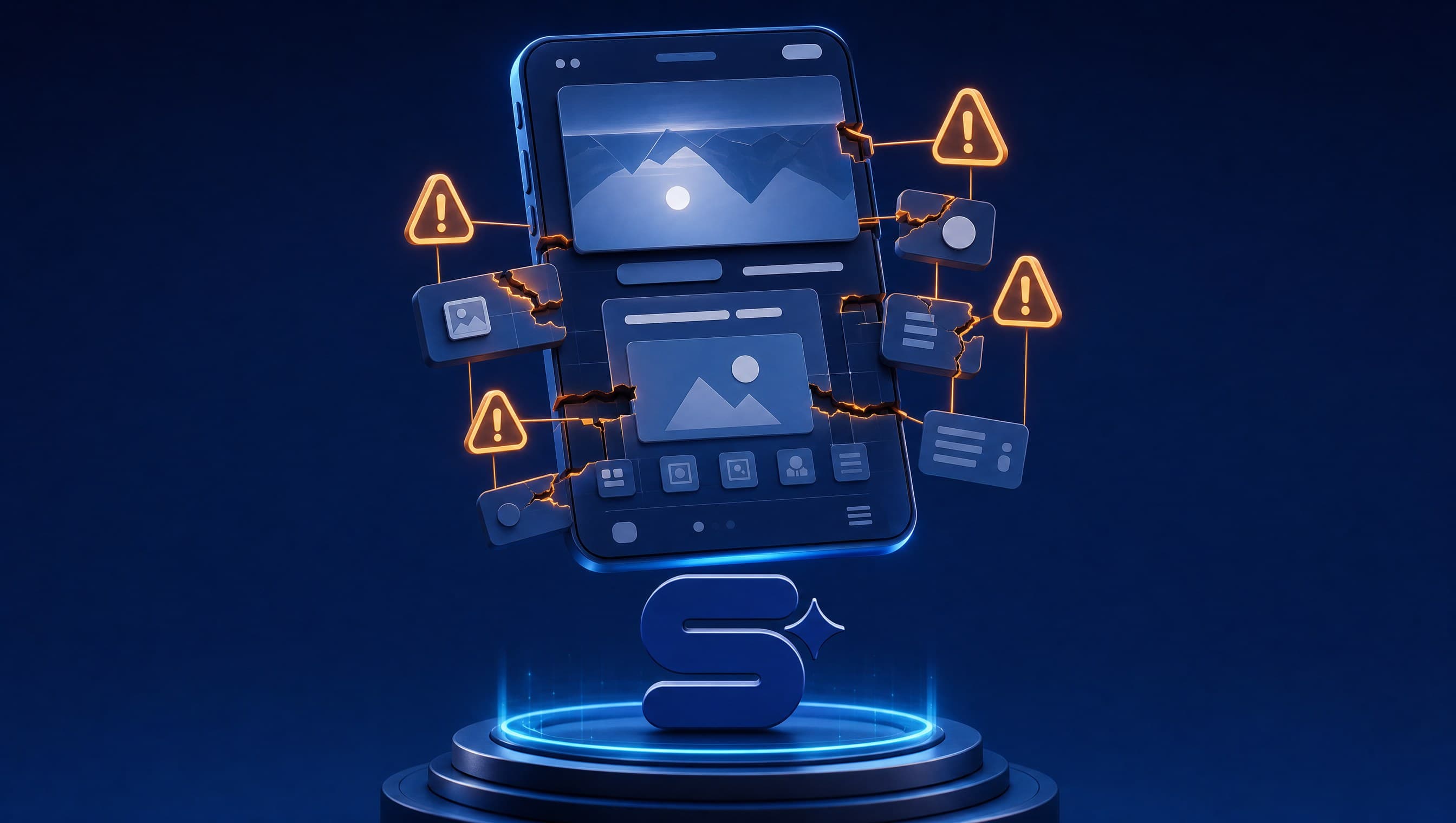
Examining pages clients attempted to build entirely with autonomous AI tools before partnering with us reveals six recurring failure modes:
- Pitfall #1: Generic, Meaningless Copy. Cliches like “The ultimate solution for your business” proliferate across automated pages. AI defaults to the statistical average of the web — and average copy fails to convert.
- Pitfall #2: Hallucinated Factual Claims. “Over 10,000 satisfied clients” or “20 years of expertise” invented by models filling knowledge gaps. In Israel, deceptive advertising claims carry serious consumer protection liabilities.
- Pitfall #3: Broken RTL & Hebrew Formatting. Most page-building engines are designed for LTR languages. Icons point the wrong way, phone numbers scramble, and forms default to left alignment, eroding buyer confidence.
- Pitfall #4: Zero Conversion Tracking. Beautiful visual layouts deployed without Meta Pixel, Google Ads Conversion Tags, or GA4 events. Campaigns burn media spend with zero algorithmic learning. Setup guidelines are documented in Google Ads Help.
- Pitfall #5: Absence of Mandatory Consent Controls. Under Israel's Privacy Protection Law (Amendment 13), collecting personal data without explicit consent mechanisms and a compliant privacy policy exposes businesses to legal liability. AI tools never configure this automatically; review our guide on Amendment 13 compliance for businesses.
- Pitfall #6: Bloated Assets & Slow Page Loads. Uncompressed AI images and unoptimized JavaScript kill mobile load times, destroying Google Ads Landing Page Experience quality scores.
What We See in the Field
When prospective clients share self-generated AI pages, our audit sequence is mobile-first: opening the Hebrew page on a mobile device and testing finger scrolling. Second: submitting test inquiries to confirm whether conversion events trigger and route into the CRM. Content evaluation comes third. The most frequent critical defect: hallucinated metrics (“Hundreds of enterprise clients” for a business founded two months prior). Two rules we strictly enforce: never passing raw AI drafts to UI designers before human editorial pruning, and never utilizing AI-generated client portrait photos. Real team smartphone photos consistently outperform synthetic visuals in trust and conversion.
What Must Remain in Human Hands
AI generates raw ingredients; humans make strategic commercial choices. Five core responsibilities require human expertise:
- The Commercial Offer: Exact pricing, deliverable bundles, and unique positioning. AI cannot know your operational margins or that a promo ends this Friday.
- Hierarchical Visual Flow: Deciding which value proposition sits above the fold and what gets cut. Great copy in the wrong visual hierarchy is wasted.
- Genuine Social Proof: Real client reviews, authentic logos, and legitimate case study metrics gathered from real operations.
- Legal & Tracking Infrastructure: Pixels, GA4, GTM triggers, CRM webhooks, consent management, and privacy policies.
- Mobile RTL Physical Inspection: Hands-on verification on iOS and Android devices in Hebrew to catch subtle typographic and spacing bugs.
This embodies our agency philosophy: AI-driven execution, human-governed strategy — reflected across our AI marketing services.
How Simple Web Builds AI-Accelerated Landing Pages
Our typical delivery window spans 5–7 business days, detailed step by step in our complete guide to building a landing page. Here is where AI integrates:
- Phase 1: Discovery (Human): In-depth strategic onboarding mapping target audiences, margin profiles, and core conversion goals.
- Phase 2: AI Research & Synthesis (AI): Generating friction maps, 20 headline candidates, and section copy drafts — routed directly to our senior copywriter for refinement.
- Phase 3: Architecture & Copyediting (Human): Selecting a single conversion objective and ruthlessly trimming 50% of draft fluff.
- Phase 4: Design & Responsive Build (Hybrid): AI generates bespoke UI graphics; designers build mobile-first RTL layouts with pixel-perfect alignment.
- Phase 5: Tracking & Compliance (Human): Configuring Meta Pixel, GA4, Conversions API, CRM routing, and Amendment 13 consent banners.
- Phase 6: Quality Gate & Launch (Human): Comprehensive mobile speed testing and deployment with active A/B headline split-tests.
Out of six phases, AI accelerates two — but those two historically consumed 70% of production hours. This acceleration allows us to deliver bespoke, agency-grade landing pages in days without sacrificing editorial rigor. AI accelerates typing, not commercial thinking.
Pre-Launch Checklist for AI Landing Pages
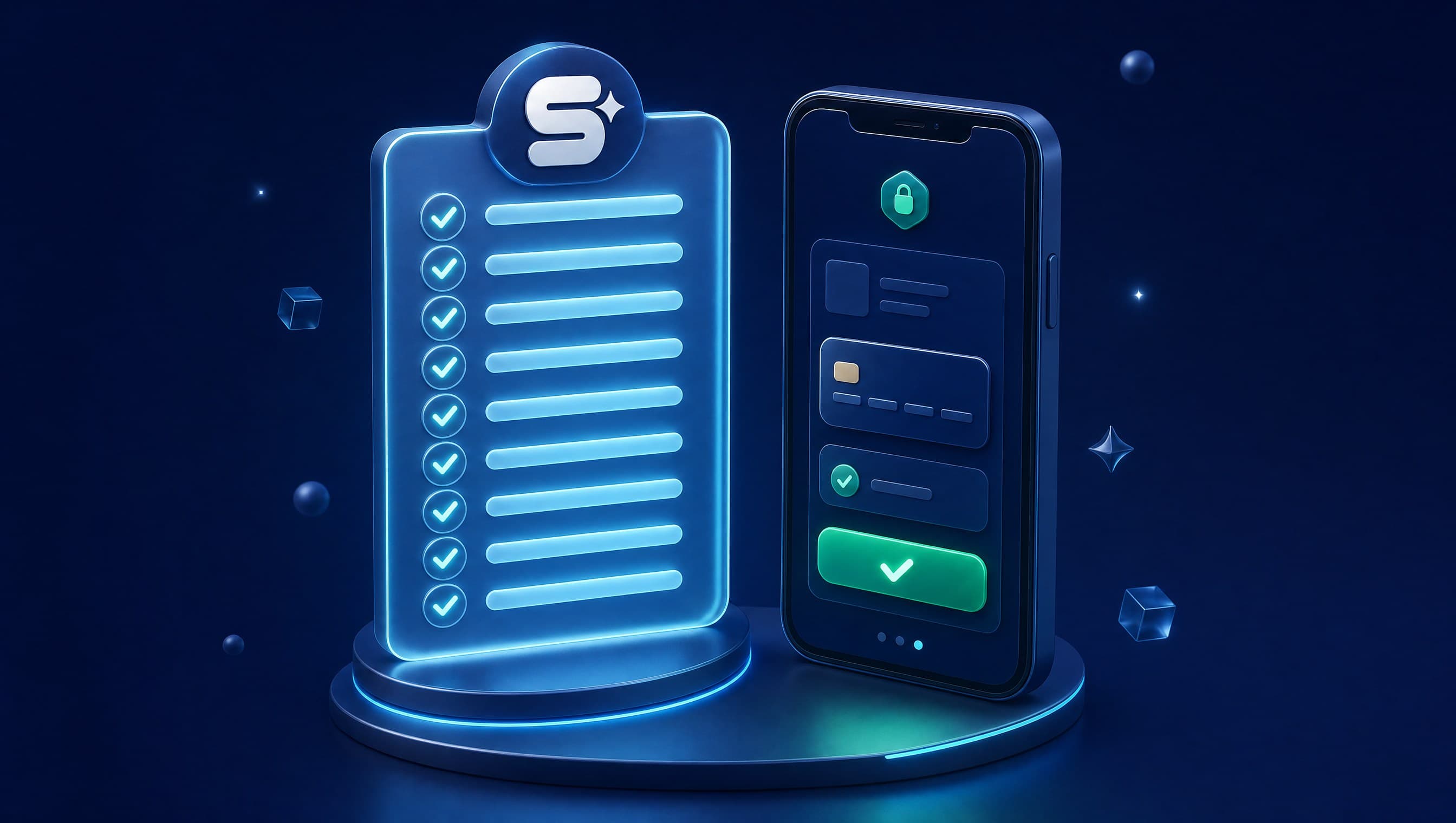
Whether building independently or with a vendor, every landing page must pass these 10 criteria before allocating ad spend:
- Headline explicitly articulates the tangible outcome and target audience rather than a vague slogan.
- A single conversion action (call, lead form, or WhatsApp) repeated consistently throughout the page.
- Every metric, statistic, and testimonial is 100% authentic and verifiable.
- Lead capture forms are streamlined (Name + Phone) and synchronize directly to CRM or real-time alert channels.
- Layout passes full Hebrew mobile inspection: correct RTL alignment, text padding, and form fields.
- Meta Pixel, Google Ads Conversion Tags, and GA4 fire verified Lead events upon submission.
- Consent management banner and privacy policy are active pursuant to Privacy Protection Authority guidelines.
- Mobile performance benchmarked on Google PageSpeed Insights with responsive asset compression.
- Hero messaging perfectly aligns with paid ad creative hooks to eliminate cognitive drop-off.
- Dedicated Thank You confirmation page measuring the conversion event cleanly.
Audit Your Tags: Open Google Tag Assistant or Tag Manager Preview mode and submit a test lead. Verify that your Google Ads conversion tag and Meta Lead event fire exactly once. Multiple fires cause duplicate attribution, while zero fires leaves ad algorithms running blind.
How Simple Web Delivers High-Converting Landing Pages
Simple Web is an AI-driven digital agency based in Bnei Brak, certified Meta Partners, and Google Ads specialists serving 200+ businesses with 28 5-star Google reviews (learn more on our about page). We integrate AI across every landing page we produce: powering audience research, headline split-testing, and rapid iteration. However, strategic positioning, conversion architecture, and legal compliance remain managed by our senior team. Turnaround is 5–7 business days with full analytics integration. For market tier comparisons, review our landing page pricing guide. Every page deployed includes full compliance management.
Summary
AI is an extraordinary engine for generating raw creative material: audience insights, copy drafts, and visual mockups. It is an unreliable engine for commercial judgment: defining unique offers, structuring visual hierarchy, and ensuring regulatory compliance. The highest-converting pages blend generative AI speed with senior human oversight. Ready to build a high-performance landing page for your next campaign? Contact Simple Web for a free strategic consultation.
Tags:
Recent posts