
Digital Business Card for a Real Estate Agent: The Key to Success
How a realtor's digital business card turns a first meeting into a client who remembers you: structure, live listings, open houses and mistakes to avoid.
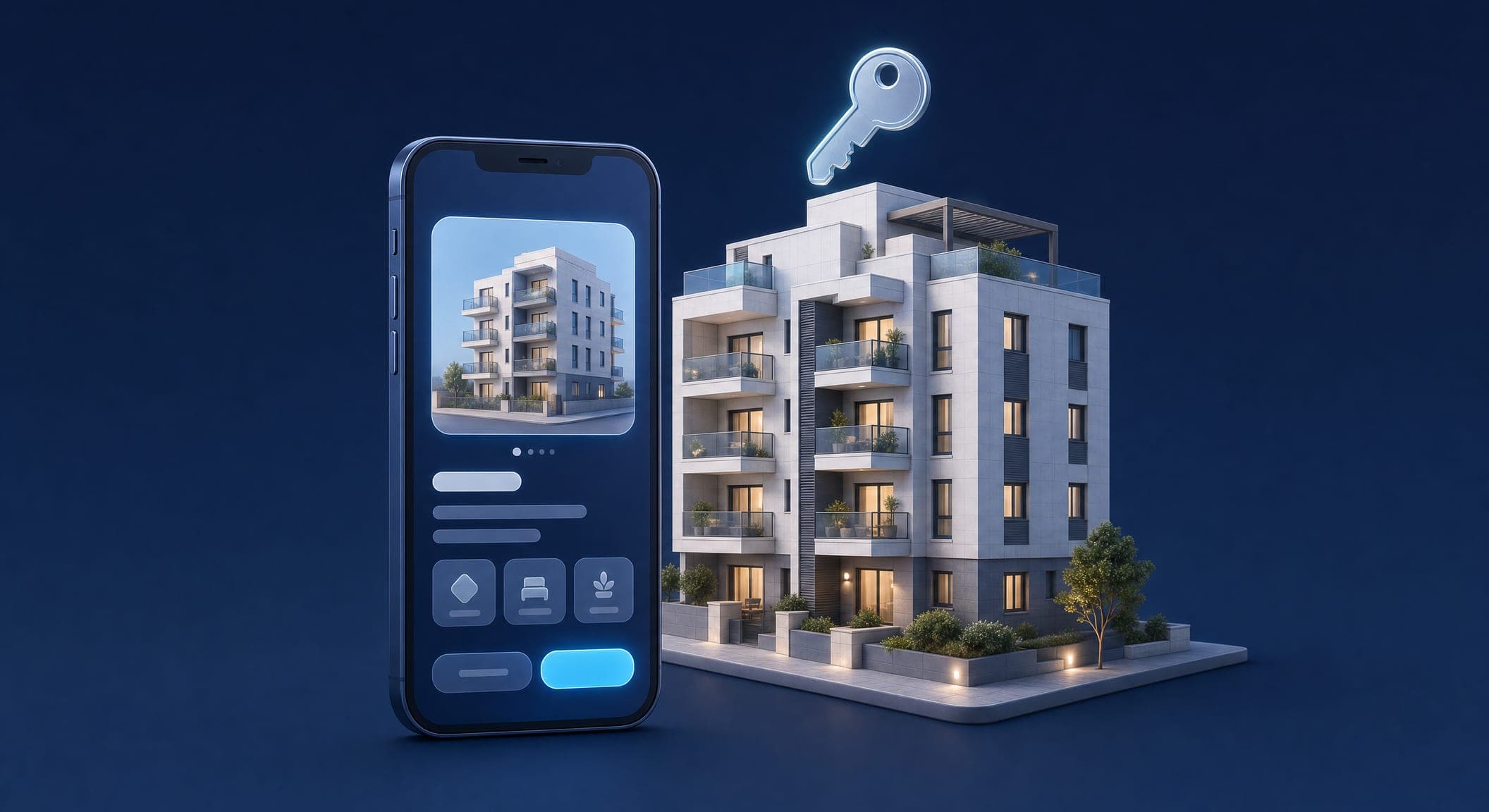
A real estate agent meets dozens of people a week: at open houses, in meetings with property owners, at networking events. How many of them remember the agent 48 hours later? The problem isn't the agent, it's the tool: a paper card gets lost, and a WhatsApp chat gets buried among hundreds of other chats. A digital business card for a real estate agent is saved on the client's phone with a photo, a profile and a listings catalog, and it shows up every time they search. In this article we explain how it works, what to include in it, how to use it at an open house and at a signing meeting, and which mistakes agents make.
Why real estate is an industry of memory
An average real estate deal takes months from the first meeting to the closing. Along the way, the buyer meets several agents, and the real question isn't whether they'll find an apartment, but through whom. They won't remember five names. They'll remember whoever is on their phone.
A digital business card for an agent solves exactly that: the client saves you as a contact with a photo, sees your active listings at any moment, and reaches you on WhatsApp with a tap. How the card works technically, including NFC and QR, is explained in the complete guide to digital business cards. Here we'll focus on what's specific to real estate brokerage.
The ideal structure for an agent's card

Unlike a lawyer or a jeweler, an agent works with information that changes every week: listings come in and go out. The card has to handle that. The components that must be there:
- A professional profile photo. Not a selfie and not a photo from an event. A shot against a neutral background that people will recognize you from at a meeting.
- "Who I am" in two sentences. Years in the field, area of activity, type of properties (families, luxury, investors). People choose based on a sense of belonging.
- A 30–60 second video. A smile, a clear message, why you specifically. A short video shot on your phone is enough.
- A catalog of active listings. 10–15 top listings, updated through a simple admin panel. Not 80 apartments.
- WhatsApp as the main button, alongside phone and email. Let clients choose how to reach you.
- A "What are you looking for?" form. Budget, area, property type, number of rooms. A structured lead instead of a general call.
- Testimonials. Three to five, as text with a name or as a short video. (Testimonials from your own clients, real and approved by them.)
- A link to documents. A brokerage agreement or a details form for digital signature, to shorten the process from days to minutes.
How to use the card in practice
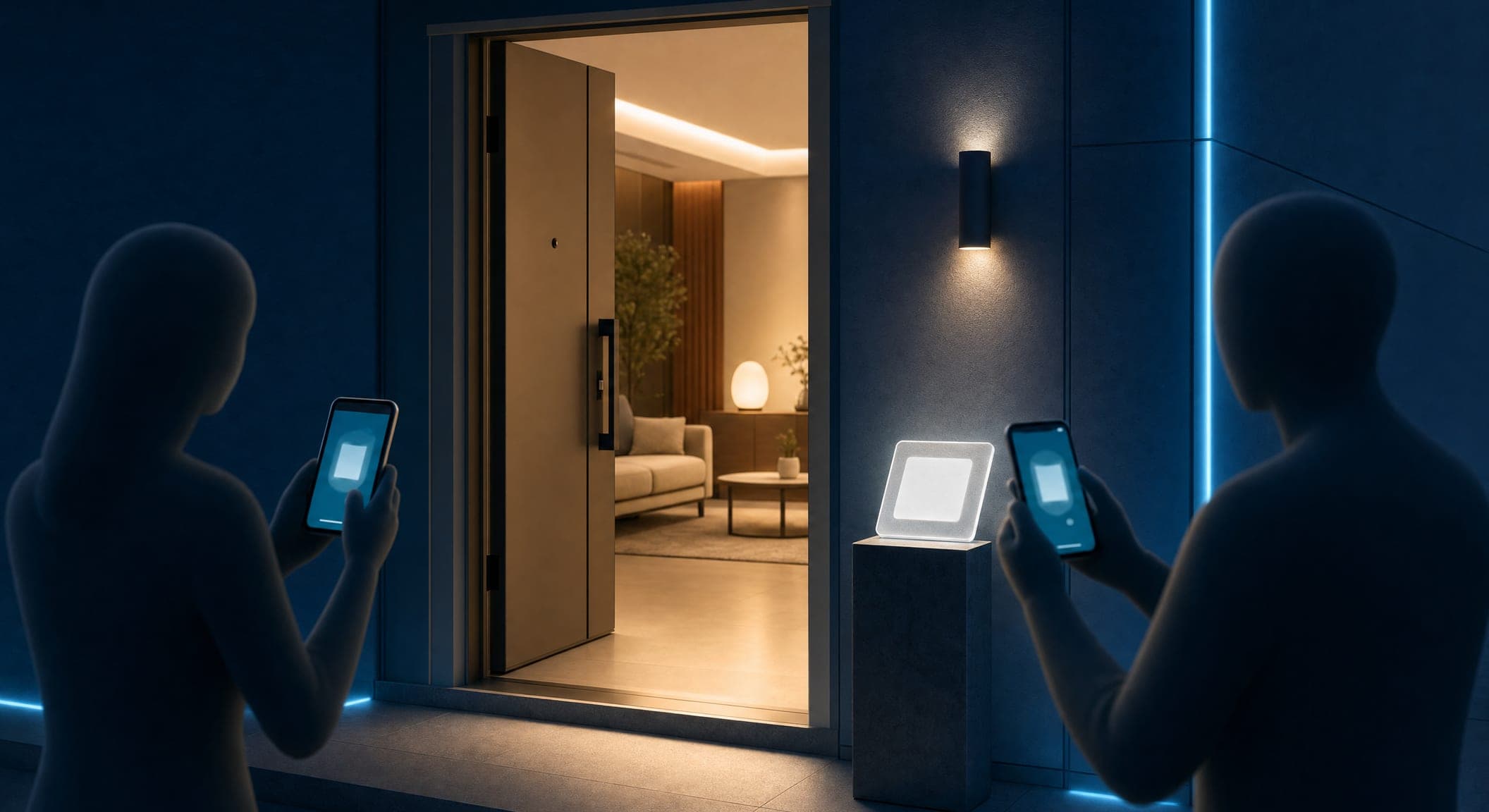
Having a card is half the job. The trick is using it right:
At an open house. Instead of handing out paper cards, you place a QR sticker at the entrance. Every visitor scans it and gets the apartment details and your catalog, and you get data: how many people opened the card, what they clicked on, who left their details.
At a meeting with an owner selling a property. Instead of a printed portfolio, you share the card: your area of activity, the properties you've sold in the area, testimonials. Your proposal to sign an exclusivity agreement gets visual backing.
At networking events. Met an investor at an event? Instead of "give me your number," it's "tap your phone on my card." Within 30 seconds they see your profile, your active listings and a direct WhatsApp channel.
Mistakes agents make
Too many listings. A card with 80 apartments loses the client. Better to show 10–15 listings that represent your style, plus a link to the full list for anyone who's serious.
Not updating. Moved offices, changed your photo, a property sold? Update the card the same day. A client who sees an "active" listing that's already been sold loses trust.
Looking like everyone else. If every agent in town uses the same blue-and-white design, you don't stand out. Personal branding is a competitive advantage on the card too.
A free card without a domain. A card on a platform's address, with the platform's logo and without a form connected to a CRM, looks temporary. When a free card is enough and when it isn't, we covered in free digital business cards: what you really get.
What a good agent's card looks like alongside nine other professions, including the buttons each one must have, is in digital business card examples.
What Simple Web does about it
We build digital business cards under the Studio 51 brand, with a dedicated real estate template: phone, WhatsApp, Waze navigation, a property gallery, social links and a form that goes straight to the CRM. For agencies, we build a card for each agent under the office's unified design. In real estate, we've built, among others, the digital presence of Magoz Group.
The cards are built with the help of AI, and people on our team check that every button and every form works. The price is set by the design and scope, in a quote after a short call. Simple Web is an AI-first marketing agency from Bnei Brak, certified Meta partners and Google advertising experts, with 200+ clients and 28 five-star Google reviews.
The bottom line: in 2026, a real estate agent without a digital business card gives up their place in the client's memory exactly when it's needed. The card brings your profile, listings, testimonials and a contact channel together in one place, and it updates without reprinting. Want to see what your card will look like? Get in touch with us.
Sources
- WhatsApp Business Platform — a business WhatsApp button as the card's main contact channel
Tags:
Recent posts