
A Digital Asset for Fitness Coaches: Landing Page, Brand Website and Booking Calendar
How a solo fitness coach builds a digital asset they own: a landing page, booking calendar and brand website, not just Instagram. What comes first and why.
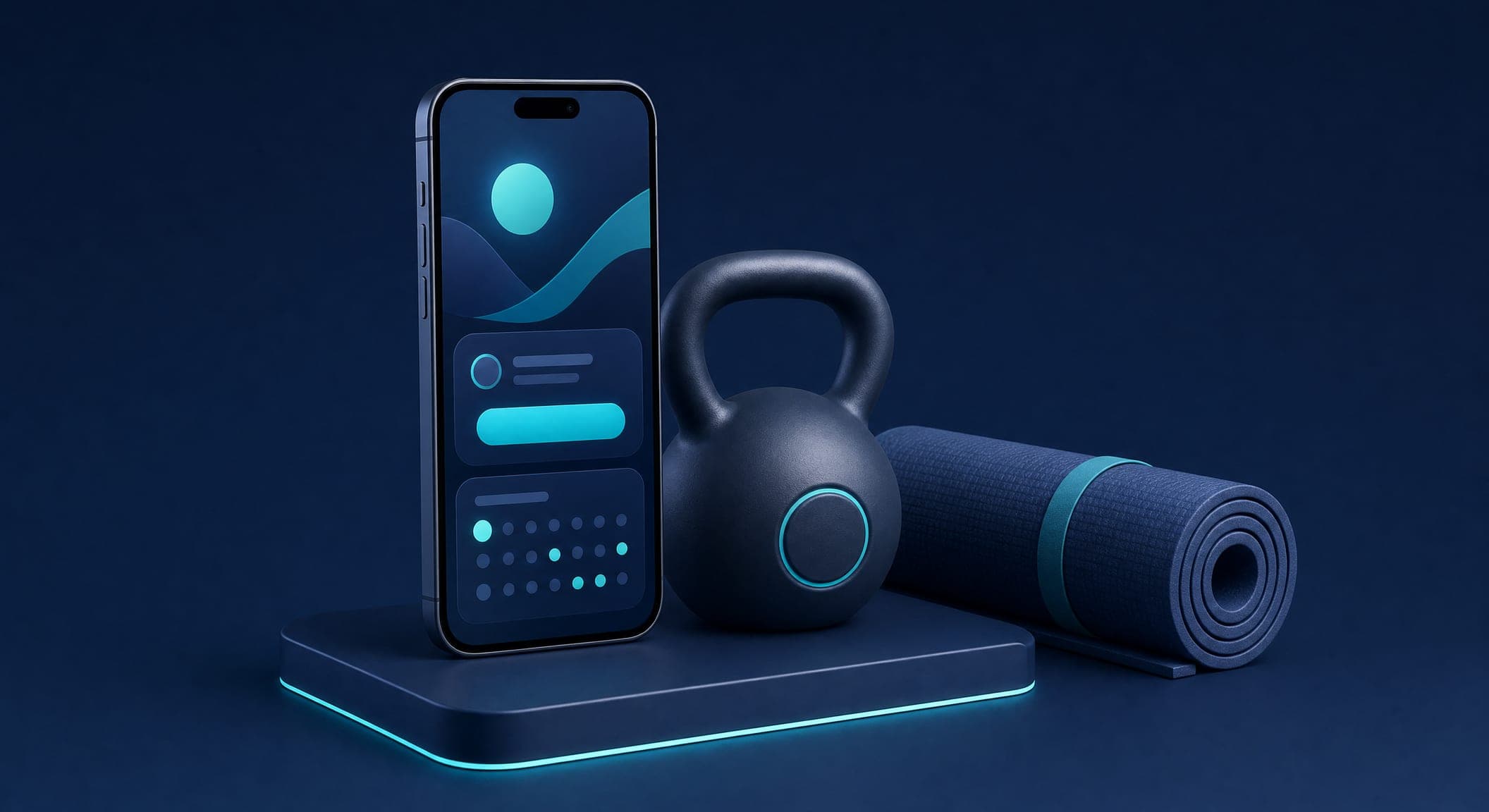
Most independent fitness coaches build their business on Instagram. It makes sense: that's where the audience is, where the visuals are, where the visibility is. But Instagram is rented space. The algorithm changes, organic reach drops, and one day a post reaches two hundred people instead of thousands. The solution isn't to leave Instagram, but to build alongside it a digital asset that you own: a landing page for fitness coaches that converts, a digital booking calendar, and later a brand website. In this article we explain what to build first, why, and what each tool does.
When you need what: the tool map
Not every coach needs every tool at the same time. This is the order that works:
- A coach just starting out: one landing page with one action (an intro call or a trial session), and a small campaign on Facebook and Instagram.
- A coach with a client base: a landing page + a digital booking calendar. Your time is worth money, so automation is the next step.
- A coach with dozens of active clients: a full brand website with a blog, packages and content that brings in traffic from Google over time.
- A coach who runs a studio or a group: a website with member management, memberships and automatic billing.
The landing page: the first tool
A landing page for a fitness coach needs to do three things: build trust within seconds, present a clear service, and lead to one action. Most coaches fail at the third: five packages, three types of training, two ways to get in touch. The visitor gets confused and leaves.
A page that works: one message ("60 days to a personal program"), one offer, one price, one action ("Book an intro session"). What it must include: a short video in which you introduce yourself and your approach, genuine testimonials from trainees (preferably on video), "before and after" photos of clients who gave their permission, and a prominent WhatsApp button. How to build it step by step, from headline to measurement, is covered in our complete guide to building a landing page.
The digital calendar: no more scheduling by phone

A coach who manages their schedule through messages wastes hours every week on scheduling, changes and cancellations. Simple math: if each of those hours could have been a paid session, scheduling costs you whole sessions every month. The exact number depends on you, but the direction is clear.
A digital calendar solves this: the client sees the available times, picks one and confirms. Need to move a session? They move it themselves, within the rules you set (for example, up to 24 hours in advance). Syncing with your personal calendar is automatic, and reminders go out on their own. Some systems also let clients pay or leave a deposit when they book.
The brand website: the long-term career
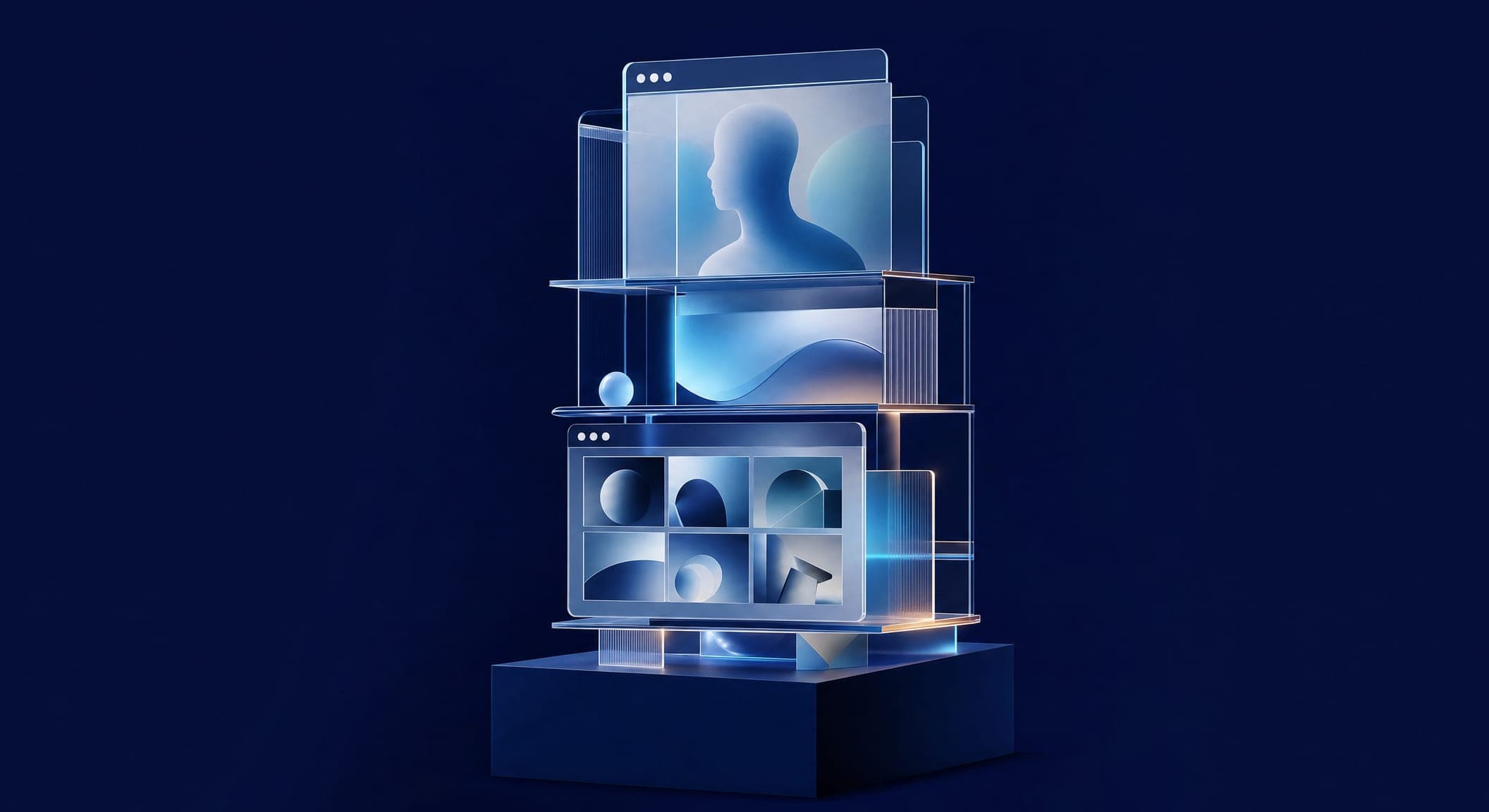
A landing page is excellent for campaigns. For a long-term career you need a website, because of Google. A coach who writes on their own website about "a training program for beginner runners," "nutrition before a workout" or "how to get into fitness after 40" gets search traffic for years, without paying for every click.
A brand website is also where a client who found you through your Reels checks that you're serious: about, approach, packages, testimonials, contact. We detailed what a website like this must include and how much it costs in our article on brand websites: what they are, what they must include and how much they cost. And if Reels are your engine, we have a separate guide on Reels and short-form video for business.
The smart move in 2026
- 0–5 active clients: a focused landing page + a small campaign on Meta. Build the foundation.
- 5–25 clients: add a digital booking calendar. Every week without it costs you sessions.
- 25+ clients: invest in a brand website with a blog. Within a year you'll be less dependent on the algorithm and freer to choose who you work with.
And at every stage: a digital business card with WhatsApp, a calendar and a gallery is what you send after every intro call. You can see what one looks like for a fitness coach in 10 digital business card examples by industry.
What Simple Web does about it
We build all three tools according to the stage you're at. A landing page with one message and one action, with a calendar and WhatsApp connected, is usually ready within 5–7 business days, at a price set in a quote based on scope. A brand website starts from ₪5,000 (₪5,000–15,000+ depending on scope), is ready in about 3 weeks (14 business days), and comes with built-in SEO and CRM infrastructure, and every website order includes 6 months of free SEO articles (a ₪4,500 value). For fitness, we also have a dedicated digital business card template. The building is done with the help of AI, and the decisions stay with people.
We are an AI-first marketing agency from Bnei Brak, certified Meta partners and Google advertising experts, with 200+ clients and 28 five-star Google reviews.
Summary: a digital asset is three tools working together. A landing page captures, a booking calendar manages, and a website builds for the long run. Each of them belongs to you, not to the algorithm. Want to know which stage is right for you? Book a free discovery call.
Sources
- Meta Business Help — the pixel and lead tracking for Instagram and Facebook campaigns
- Google Search Central — how Google finds and ranks website content, the foundation of a blog that brings in traffic